
Veterans have access to healthcare, mental health services, disability compensation, education benefits, employment assistance, housing programs, financial support, caregiver resources, life insurance, and long term care services. These programs help veterans address physical and mental health concerns, build financial stability, pursue educational goals, secure housing, and improve overall quality of life.
Many veterans qualify for benefits they never use because they do not realize the programs exist or assume they are not eligible. Understanding what programs are available can help you access valuable resources that support your health, finances, and future.
Understanding Veteran Benefits and Services
Veteran programs exist to support individuals after their time in uniform. Some benefits focus on healthcare and disability compensation, while others help with education, employment, housing, financial assistance, and family support.
Eligibility varies depending on the specific program. Factors such as discharge status, disability rating, income, age, service history, and family circumstances often determine qualification.
Many programs also provide support for spouses, dependent children, surviving family members, and caregivers.
Also Read: Veteran Benefit Evaluations Explained for Veterans
Healthcare Programs Available for Veterans
Healthcare remains one of the most valuable benefits available to veterans.
Eligible veterans may receive access to primary care, preventive services, specialty treatment, rehabilitation programs, prescription medications, hospital care, and chronic disease management.
Access to quality healthcare improves long term wellness and helps veterans manage medical conditions before they become more serious.
Also Read: What Mental Health Challenges Do Veterans Face?
Primary Care and Preventive Services
Primary care providers help veterans maintain overall health through routine checkups, vaccinations, screenings, and chronic disease management.
Preventive care helps identify health concerns early, often leading to better treatment outcomes.
Specialty Medical Care
Many veterans require care beyond routine medical services.
Specialty care may include cardiology, orthopedics, neurology, audiology, oncology, pain management, rehabilitation medicine, and other specialized treatments.
Women’s Health Services
Women veterans can access healthcare services tailored to their needs, including reproductive healthcare, maternity services, gynecological care, cancer screenings, menopause support, and preventive care.
Telehealth Services
Telehealth allows veterans to connect with healthcare providers remotely through secure video appointments.
This option improves access for veterans living in rural areas or those who face transportation challenges.
Mental Health Services and Counseling Programs
Mental health care plays an essential role in veteran wellness.
Many veterans experience emotional and psychological challenges related to trauma, stress, adjustment difficulties, anxiety, depression, grief, sleep disturbances, or substance use concerns.
Professional support can help veterans improve daily functioning and overall well being.
PTSD Treatment Programs
Post traumatic stress disorder affects many veterans and can significantly impact relationships, employment, sleep, and quality of life.
Symptoms may include intrusive memories, nightmares, emotional numbness, hypervigilance, irritability, and avoidance behaviors.
Treatment often includes evidence based psychotherapy, medication management, and trauma focused interventions.
Anxiety and Depression Support
Anxiety and depression are among the most common mental health conditions affecting veterans.
Symptoms may include excessive worry, persistent sadness, fatigue, concentration difficulties, sleep disturbances, and loss of interest in daily activities.
Effective treatment can help veterans manage symptoms and regain stability.
Substance Use Treatment Programs
Some veterans turn to alcohol or substances while coping with stress, trauma, chronic pain, or mental health challenges.
Treatment programs focus on recovery, relapse prevention, counseling, and long term support.
Suicide Prevention Resources
Veterans experiencing emotional crises can access immediate support through crisis intervention services, emergency mental health care, and suicide prevention programs.
Seeking help during a crisis can save lives and connect veterans with ongoing support.
Vet Centers and Readjustment Counseling
Vet Centers provide confidential counseling services for veterans and their families.
These centers often focus on trauma recovery, grief, relationship challenges, and adjustment after service.
Many veterans appreciate the community based environment and personalized support offered through Vet Centers.
Family and Relationship Counseling
The effects of service often extend beyond the individual veteran.
Family counseling helps improve communication, strengthen relationships, manage stress, and support healthy family functioning.
Disability Benefits for Veterans
Disability compensation provides financial support to veterans with service connected physical or mental health conditions.
These benefits recognize the impact a condition may have on daily functioning and quality of life.
What Is a Service Connected Disability?
A service connected disability is a physical or psychological condition caused or aggravated by experiences during service.
Common examples include PTSD, anxiety disorders, depression, hearing loss, chronic pain, traumatic brain injuries, orthopedic conditions, and sleep disorders.
Disability Ratings
Disability ratings range from 0 percent to 100 percent.
The assigned rating reflects the severity of a condition and helps determine compensation amounts and eligibility for additional benefits.
Secondary Conditions
Some conditions develop because of an existing service connected disability.
For example, chronic pain may contribute to depression, while sleep disorders may worsen anxiety symptoms.
Secondary conditions can be important when filing disability claims.
Appeals and Claim Reviews
Veterans have the right to appeal denied claims or request reviews when they believe a decision does not accurately reflect their condition.
Strong medical evidence often plays an important role in successful appeals.
Education and Training Programs
Education benefits help veterans gain new skills, complete degrees, and prepare for future careers.
Available programs may support college education, graduate school, vocational training, apprenticeships, certifications, and technical education.
Many veterans use educational benefits to transition into new professions and increase long term earning potential.
Some programs also provide benefits for eligible spouses and dependents.
Employment Assistance Programs
Employment support helps veterans identify career opportunities and successfully enter the civilian workforce.
Programs may include career counseling, resume development, interview preparation, job placement assistance, vocational training, and workplace accommodations.
Veteran Readiness and Employment (VR&E)
The Veteran Readiness and Employment program helps eligible veterans prepare for, find, and maintain meaningful employment.
Services may include education assistance, job training, career counseling, and employment support.
Entrepreneurship Support
Veterans interested in business ownership can access resources that support entrepreneurship, business planning, mentorship, and professional development.
Housing Assistance Programs
Housing stability remains an important factor in overall well being.
Housing programs help veterans purchase homes, avoid homelessness, maintain stable housing, and access support during periods of financial hardship.
Home Loan Programs
Home loan benefits help eligible veterans purchase, build, improve, or refinance homes.
Many veterans benefit from favorable lending terms that make homeownership more accessible.
Housing Grants for Disabled Veterans
Certain grants help veterans modify homes to improve accessibility and accommodate disabilities.
Homelessness Prevention Programs
Programs designed for homeless and at risk veterans provide emergency shelter, transitional housing, rental assistance, and supportive services.
Financial Assistance Programs
Financial assistance programs help veterans manage daily expenses and maintain stability.
Veterans Pension Benefits
Veterans pensions provide monthly tax free payments to qualifying veterans with limited income and assets.
Aid and Attendance Benefits
Aid and Attendance provides additional financial support to veterans who require assistance with daily living activities.
Emergency Financial Assistance
Emergency assistance programs may help veterans facing unexpected financial hardships such as housing instability, utility shutoffs, or other urgent needs.
Financial Counseling
Financial counseling services help veterans create budgets, manage debt, plan for retirement, and improve long term financial health.
Food Assistance Programs for Veterans
Food insecurity affects many veterans and their families.
Nutrition assistance programs help qualifying households purchase groceries and maintain access to healthy food.
Community food banks, veteran support organizations, and charitable programs often provide additional resources during times of need.
Life Insurance and Survivor Benefits
Life insurance programs help protect veterans and their families from financial hardship.
Available options may provide coverage during and after service.
Surviving family members may also qualify for financial assistance, healthcare benefits, educational support, and other survivor programs.
Caregiver and Family Support Programs
Many veterans rely on family members for assistance with healthcare needs, transportation, emotional support, and daily living activities.
Caregiver Support Programs
Caregiver programs provide education, training, counseling, and resources that help family members navigate caregiving responsibilities.
Respite Care
Respite care allows caregivers to take temporary breaks while veterans continue receiving quality support.
Benefits for Spouses and Dependents
Eligible family members may qualify for healthcare, educational assistance, counseling services, survivor benefits, and additional support programs.
Long Term Care Services for Veterans
Long term care services help veterans maintain quality of life as they age or manage chronic medical conditions.
Nursing Home Care
Some veterans qualify for nursing home services when they require ongoing medical supervision and assistance.
Home Health Care
Home based care allows veterans to receive medical and personal support while remaining in familiar surroundings.
Assisted Living Services
Assisted living programs help veterans maintain independence while receiving help with daily activities.
Hospice and Palliative Care
Veterans with serious illnesses may benefit from hospice and palliative care services focused on comfort, symptom management, and quality of life.
Common Challenges Veterans Face
Many veterans transition successfully into civilian life. Others face challenges that affect health, relationships, employment, and financial stability.
Common concerns include PTSD, anxiety, depression, chronic pain, sleep problems, substance use disorders, social isolation, relationship difficulties, and employment transitions.
Recognizing these challenges early allows veterans to access appropriate support and treatment.
Why Veterans Miss Benefits They Qualify For
Many veterans never apply for benefits because they assume they are not eligible.
Others struggle with paperwork, lack documentation, misunderstand requirements, or become discouraged after receiving a denial.
Working with Veteran Service Officers, healthcare professionals, and experienced advocates can help veterans navigate the process more effectively.
Psychological Evaluations for Veterans
Psychological evaluations can help identify mental health conditions, clarify diagnoses, and guide treatment planning.
These evaluations may assess PTSD, anxiety disorders, depression, traumatic brain injuries, adjustment disorders, cognitive concerns, and other mental health conditions.
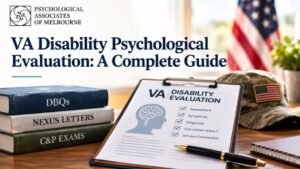
Comprehensive evaluations often support disability claims, treatment recommendations, and long term care planning.
What Is a Nexus Letter?
A nexus letter is a professional medical opinion that explains how a current health condition relates to experiences during service.
Nexus letters often play an important role in disability claims because they help establish service connection.
Mental health conditions commonly supported through nexus letters include PTSD, depression, anxiety disorders, trauma related conditions, and sleep disorders.
How to Apply for Veteran Benefits
The application process varies depending on the benefit.
Most veterans should begin by gathering discharge records, medical documentation, financial information, and supporting evidence related to their claim.
Veteran Service Officers often provide free assistance and can help identify programs veterans may qualify for.
Submitting complete and accurate documentation can reduce delays and improve outcomes.
FAQs
Veterans may qualify for healthcare, disability compensation, education assistance, employment services, housing support, financial assistance, life insurance, caregiver programs, and long term care services.
Eligibility depends on factors such as discharge status, service history, income, and specific program requirements.
Veterans can access PTSD treatment, counseling, psychiatric care, anxiety treatment, depression treatment, substance use programs, crisis intervention services, and family counseling.
VR&E helps eligible veterans prepare for, obtain, and maintain employment through career counseling, training, education support, and workplace accommodations.
Yes. Veterans may qualify for home loan benefits, housing grants, rental assistance, emergency housing support, and homelessness prevention programs.
Eligible spouses may qualify for healthcare benefits, educational assistance, counseling services, caregiver support, survivor benefits, and financial assistance programs.
A Vet Center provides confidential counseling and support services for veterans and eligible family members.
A psychological evaluation may be beneficial when symptoms affect daily life, relationships, work performance, disability claims, or treatment planning.
Conclusion
Veterans have access to valuable programs that support healthcare, mental health, housing, education, employment, financial stability, and long term well being. Understanding these resources can help you access benefits you may qualify for and improve your quality of life. If you need mental health support, psychological testing, or disability related evaluations, Psychological Associates of Melbourne provides professional services to help veterans better understand their needs and access appropriate care.